Do You Own Your Face? AI, Deepfakes & Your Digital Identity
By Thato Brander — Technology Keynote Speaker | September 11, 2025 | 4 min read
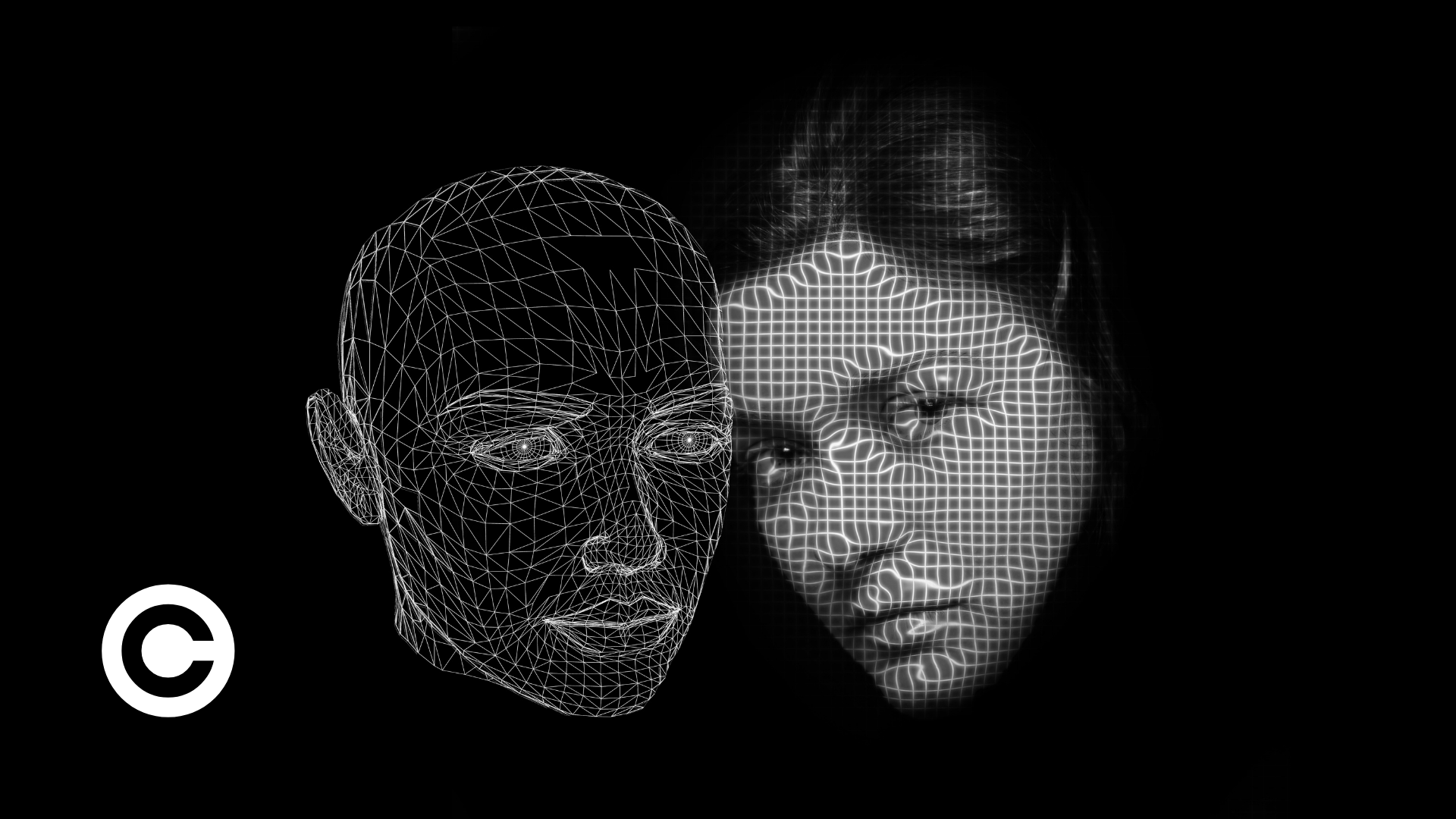
THE RIGHT TO OWN YOUR FACE & VOICE IN THE AGE OF AI
Imagine this: You wake up early in the morning, you grab your cellphone, and you notice there are thousands of messages from people you know. Saying they can't believe that you would say something like that. You are puzzled, you just woke up, and you have said nothing to anyone. Finally, you find a video in which you are talking about a very controversial topic, but you have no recollection of recording such a video, because you didn't. It is your face, and your voice.
You ask yourself, How did this happen? Eventually, you realise it is AI. Someone has taken a video or picture of you and your voice from social media and made a video of you. You release a statement saying that the video is AI-generated, but it looks so real. Those who know you personally believe you, but others think you're lying. How will you ever prove it to them? How will you ever hold those who created the video accountable?
Denmark has just become the first country to allow people to copyright their own face and voice.
Yes, you are about to be able to own the rights to your face and voice legally. But why? Will this even help? Before we get into that, let's look at where it all started.
WHERE DID DEEPFAKES START? A BRIEF HISTORY OF AI IDENTITY THEFT
The concept of Deepfakes (deepfaking) emerged in late 2017 on social media on Reddit. This term was used to describe face-swapping content. This is after people swapped the faces of women celebrities into pornographic footage without consent. A couple of years later, it started to refer to AI-generated content as technology got better, and the realism of content improved.
This is why it is important to own your face and voice. It sounds funny to even say this, but we are in the generative AI era.
WILL COPYRIGHTING YOUR FACE & VOICE ACTUALLY WORK?
This is how they are approaching it. After looking through many cases of deepfakes, they asked themselves, What is the red thread that runs through all these cases. They identified one thing: someone's likeness. Every person is unique; the way they look and sound is different. These are the things that are used maliciously against people's will.
They also decided to use copyrights as a way to implement this, which is interesting. I won't bore you with legal terms, but keep in mind that copyright is transferable, which means you can transfer a book or music to someone else. So, in future, will you be able to transfer the rights to your likeness to someone else? We'll wait and see.
So will this work? It's too early to say, but I think Denmark being the first country to take action is welcome. It is still too early to figure out if it will be effective, but it is good that the ship is already sailing. We all know that the law is way behind the changes that are happening at the moment. This move is timely, and it's not just focused on privacy; it is more than that; it's about accountability, consent and ownership in the generative AI era.
HOW WILL DIGITAL IDENTITY RIGHTS HELP YOU?
Think about it this way: if you own your face and voice, you will potentially be able to force platforms to take content that uses your likeness without your permission. So if someone creates a fake video of you, you can force the platform to take it down.
We now know that the media landscape has changed because of AI, the question is, who controls what gets generated using people's identities? All you need is a picture of a person and their voice recording, and you can create anything.
IS AN AI-GENERATED WORLD THE FUTURE WE WANT?
We have already seen that AI has its advantages and disadvantages. We have already entered a new era, and we need to really make sure that AI is ethical. If nothing is done about deepfakes, they will cause massive hurt for many people in society; it has already happened. There are many accounts online that are using someone else's picture, and people think that it is really that person. If deepfakes get amplified, people could run scams using your face and voice and many more terrible things. Companies could also exploit the access to information that they have on a person.
In Closing
One thing is clear: Generative AI development and use are moving fast, and we will have to re-imagine our world with Generative AI as the norm. New laws and policies will have to be put into place.
About the Author
Thato Brander is a technology keynote speaker and writer at the intersection of AI, innovation, and the future of business. Thato helps organisations understand and navigate the impact of emerging technologies from generative AI to digital identity and translates complex tech trends into clear, actionable insight.